Shopify solutions architect by day. App developer by night. I design and build the commerce systems that quietly hold a business up, then go home and ship the apps I wish existed.
The day shift
Shopify Solutions Architect
Merchants come with a mess: a checkout that fights their operations, an ERP nobody trusts, a theme carrying eight years of good intentions. My job is to work out what the system should be before anyone argues about what it should be written in — then draw it, cost it, and build the parts that matter most.
- Shopify Plus, checkout extensibility & Functions
- Headless and Hydrogen — when it earns its keep
- ERP, PIM and middleware integration
- Migrations that do not lose a single order
The night shift
Independent App Developer
Then the laptop opens again. Four apps on the App Store, each taken from a one-line idea to a live listing on my own: the research, the design system, the Postgres schema, the native app, the screenshots, the review process. Nobody hands you a spec at midnight.
- React Native & Expo, shipped end to end
- Supabase, Postgres, row-level security
- AI pipelines: routing, script writing, TTS
- Local-first storage & at-rest encryption
“The day job taught me that architecture is mostly deciding what not to build. The night job taught me to finish.”
Every one of these is on the App Store under my own name — product, design, backend and app. Scroll through, then go download one.

Open the case. Walk the evidence.
Pick a city, open a documented case, and walk the actual locations where it unfolded. Every walk is built from public court records, contemporary reporting and published histories, told in the measured register of a prestige documentary — never gratuitous, victims as people first. It runs on PodWalk’s backend, with the two catalogs separated by a single column.
- Sourcing
- Public record
- A walk
- 15 – 60 min
- Playback
- Hands-free
- Expo
- Supabase
- Next.js 16
- Mapbox
- ISR
- Programmatic SEO
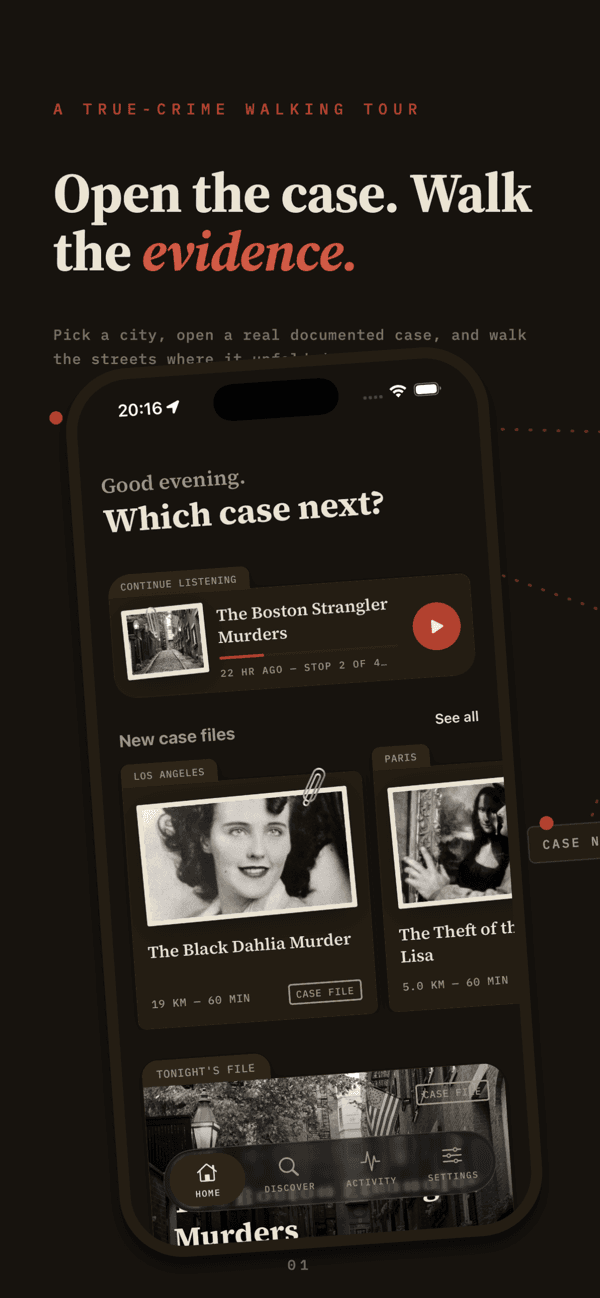
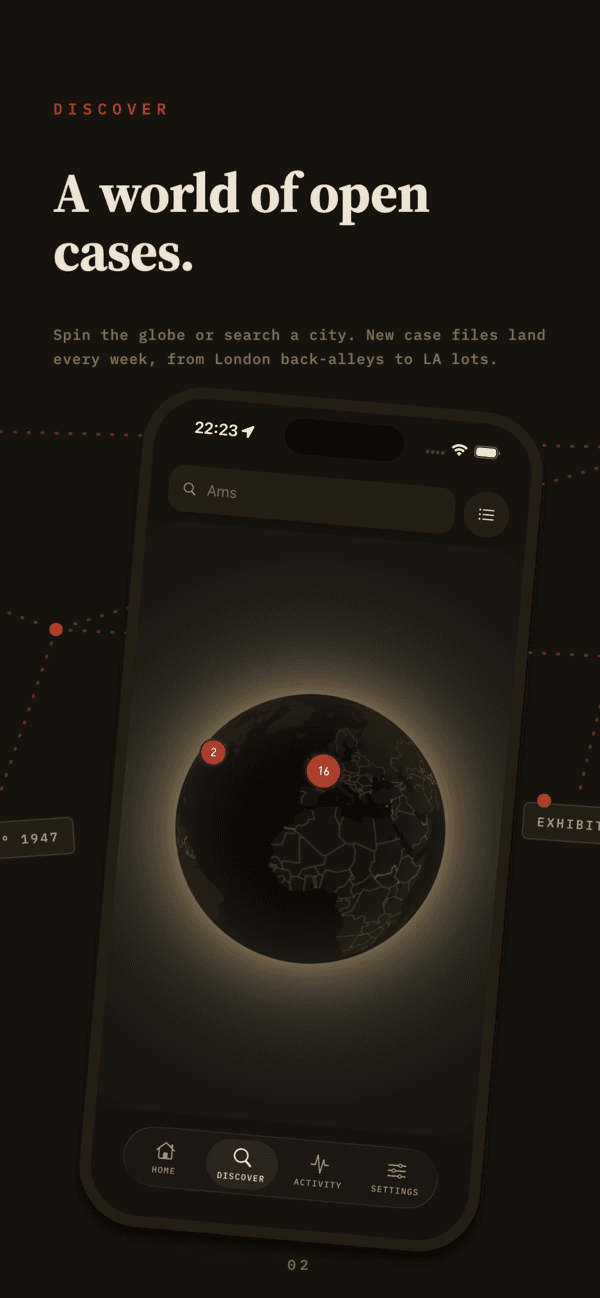
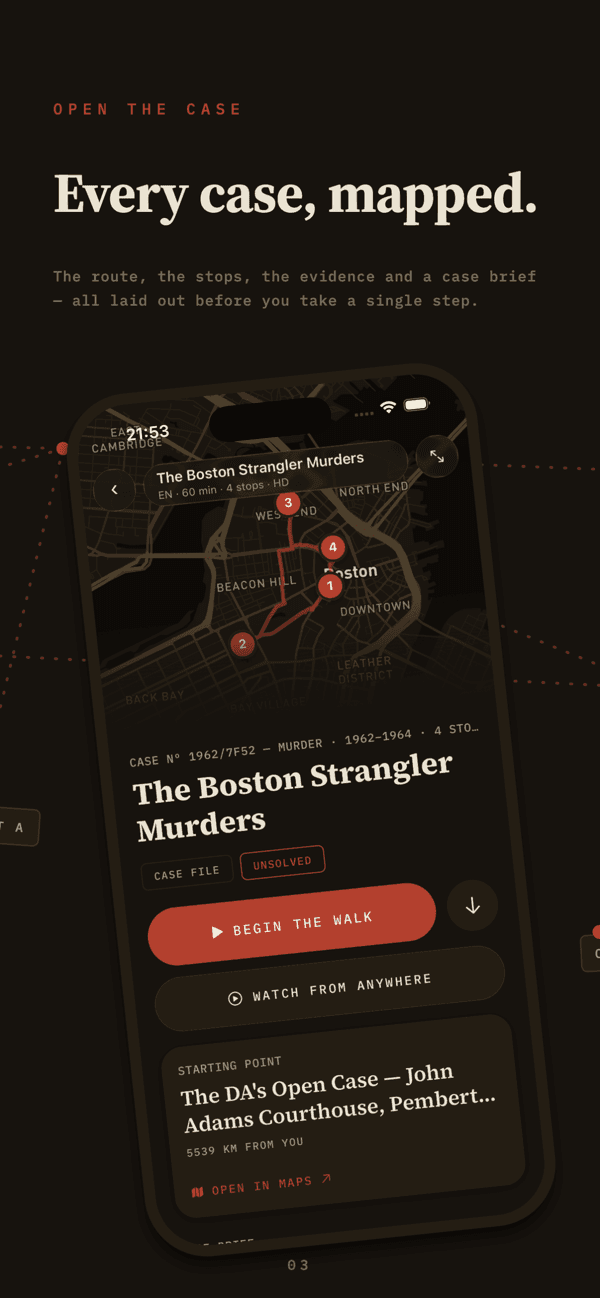

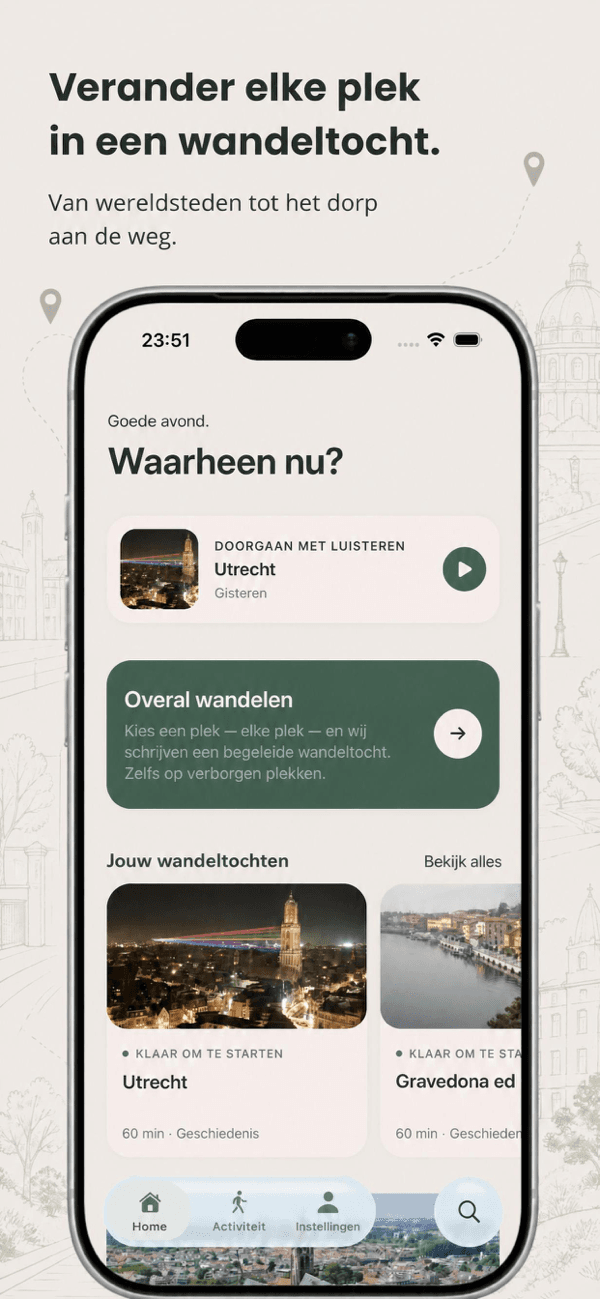
A tour guide for the places no guidebook bothered with.
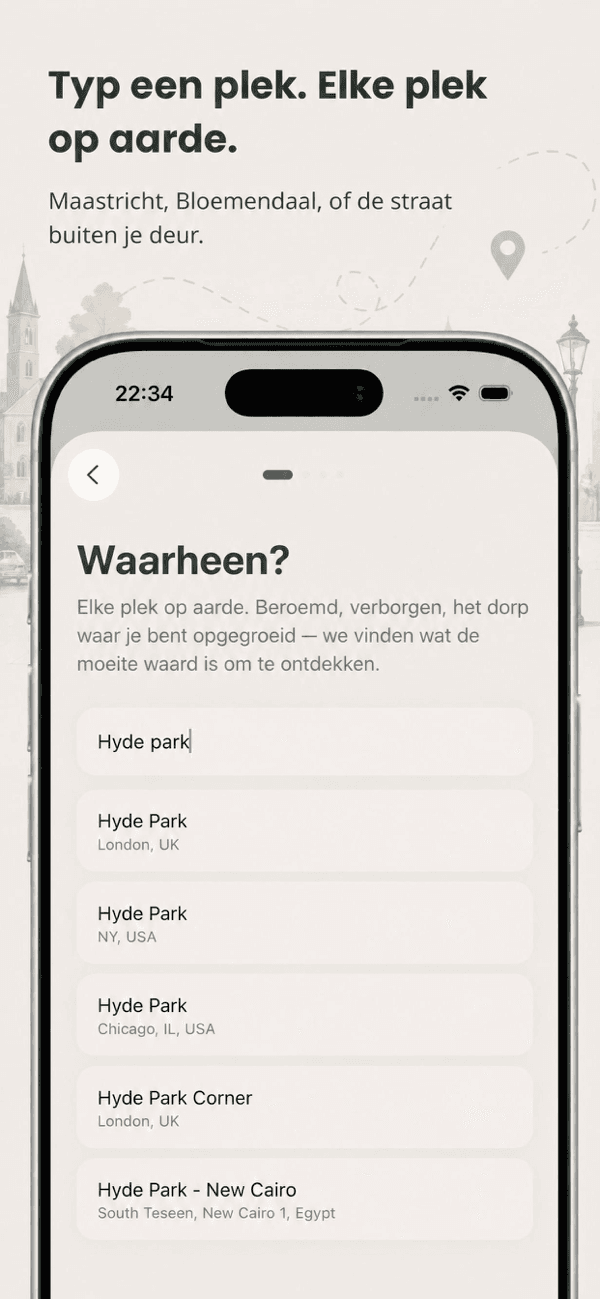
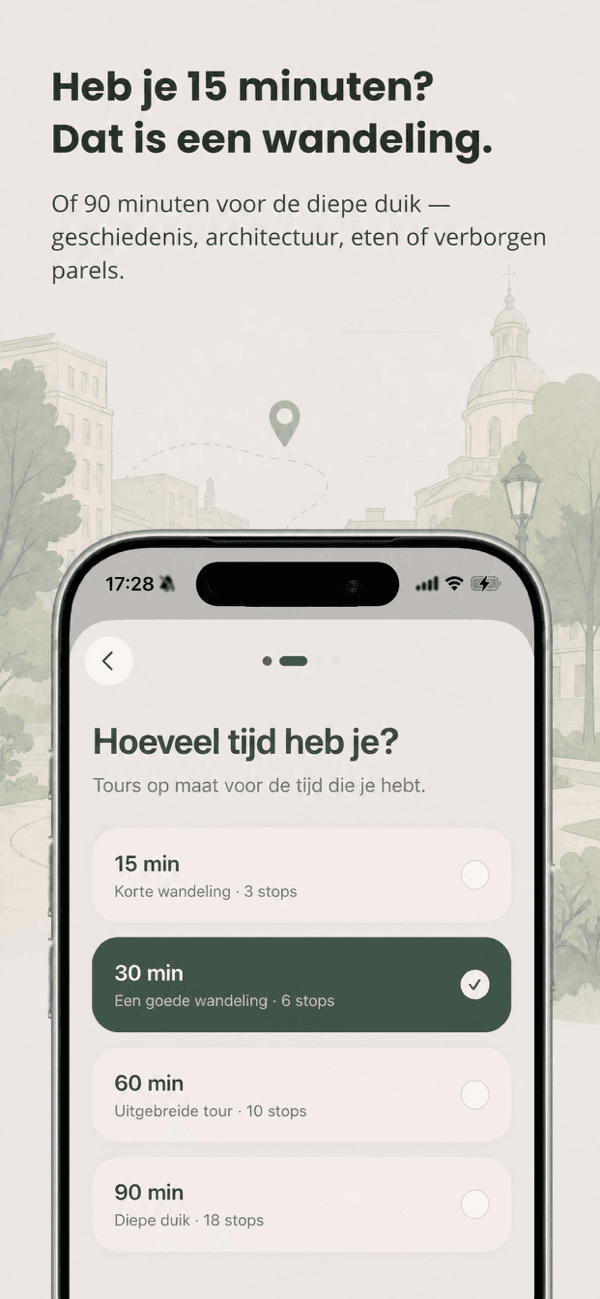
Type in a place — a city, a neighbourhood, the village you grew up in — and PodWalk plots a real walking route, researches every stop from Wikipedia and OpenStreetMap, writes the narration and records it in a warm HD voice. GPS starts each chapter the moment you arrive. Earbuds in, screen off, phone in your pocket.
- Walk length
- 15 – 90 min
- Coverage
- Anywhere on Earth
- App Store
- 4.3 ★
- Expo
- React Native
- Next.js
- Supabase
- Vercel AI Gateway
- Mapbox
- Google TTS

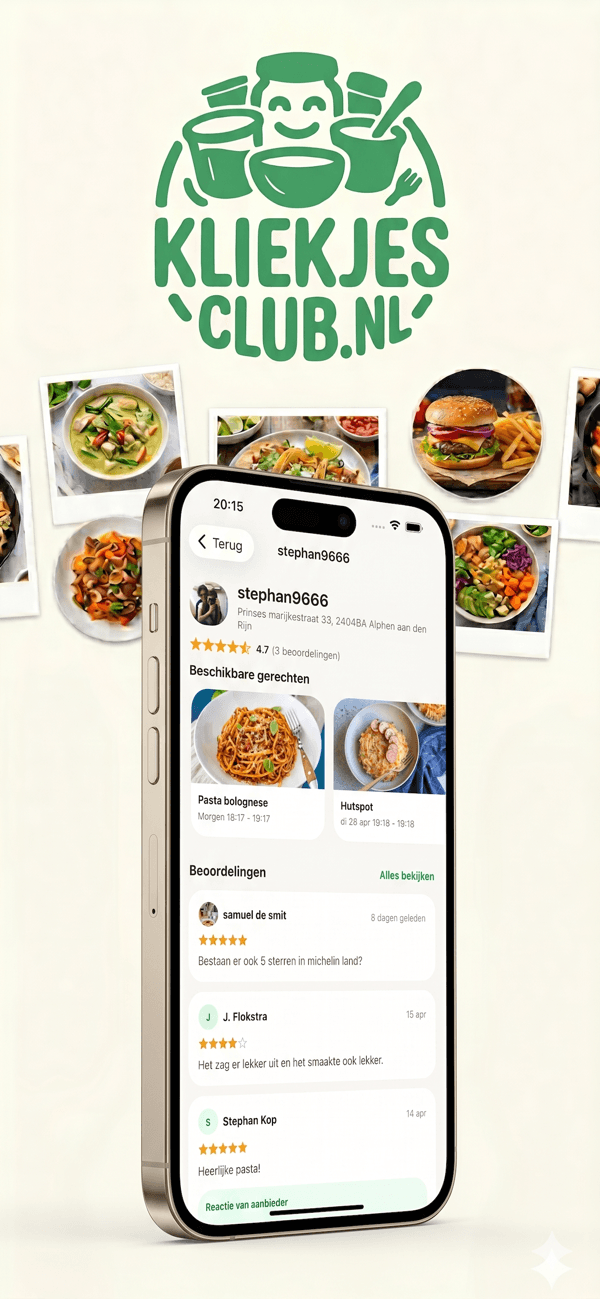
Deel je kliekjes, maak iemand blij.
The Netherlands throws away millions of kilos of food a year while people down the street struggle to put a decent meal together. Kliekjesclub puts leftovers on a map: photograph a surplus portion, a neighbour claims it in a couple of taps, you chat to arrange the pickup. Restaurants, home cooks and students all on the same map.
- Posting a dish
- ~30 seconds
- Filters
- Distance · diet · allergens
- Built in
- App + web platform
- Expo
- Next.js
- Postgres
- Realtime chat
- Push
- Maps



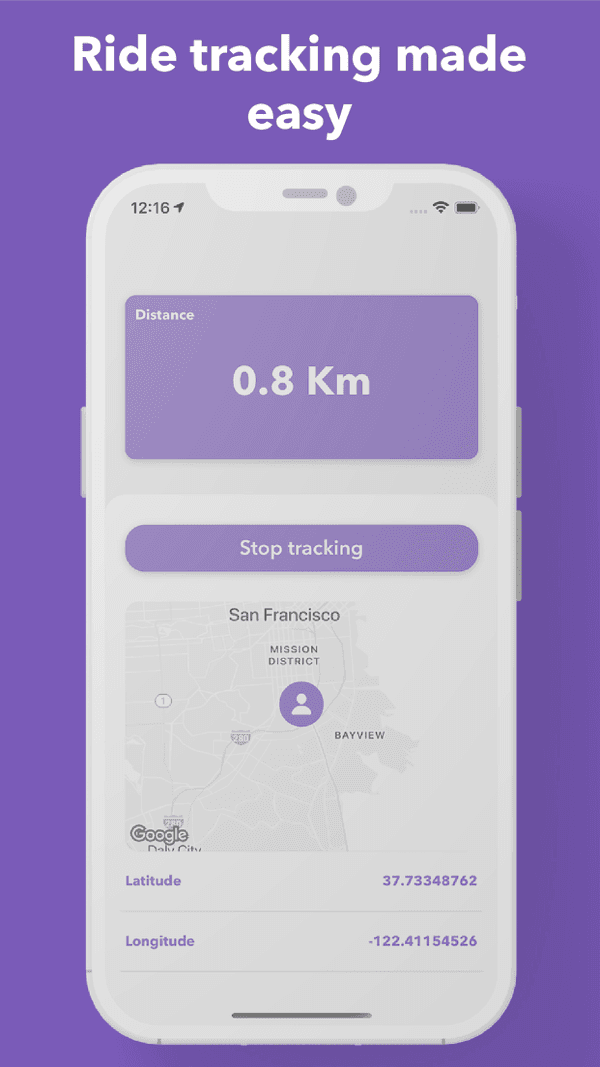
Track Your Ride
Record a drive. Export the month. Nothing leaves the phone.
A mileage tracker for reimbursement claims, rebuilt from the ground up as a local-first app. No account, no server, no network calls of its own. Rides live in a SQLCipher-encrypted database whose key sits in the Keychain or Keystore, marked device-only — so a backup restored on another phone can’t read a thing. Face ID on the history, CSV out for finance.
- Backend
- None. On purpose.
- At rest
- SQLCipher, 256-bit
- Export
- Monthly CSV
- Expo SDK 57
- React Native 0.86
- SQLCipher
- Background location
- Biometrics
- TypeScript strict


Most people pick one of these. Doing all three is what makes the seams disappear — the architecture knows what the interface needs, and the interface knows what the database can afford.
Architecture
Deciding what a system should be before deciding what it is written in. Storefronts, checkout extensibility, headless when it earns its keep and Liquid when it does not.
- Shopify Plus & checkout extensibility
- Hydrogen / headless storefronts
- Functions, apps & app extensions
- GraphQL Admin & Storefront APIs
- Integrations, ERP & middleware
Product
Four apps shipped to the App Store, each one taken from a one-line idea to a live listing: research, design, backend, native app, store copy, screenshots, review.
- React Native & Expo (SDK 57)
- Supabase, Postgres, RLS
- Background location & geofencing
- Local-first & at-rest encryption
- AI pipelines: routing, writing, TTS
Interface
The part people actually touch. Motion that explains rather than decorates, type that holds up at every size, and a frame budget nobody has to apologise for.
- React, Next.js, TypeScript
- GSAP & scroll choreography
- three.js / WebGL & GLSL
- Design systems & tokens
- Performance & Core Web Vitals
Fashion, interiors, jewellery, furniture. Some built from an empty repo, some inherited and rescued. All of them still trading.
Storefront and brand system for a Dutch lifestyle label.
- Shopify
- Liquid
Minimal, editorial commerce with a lot of white space and restraint.
- Shopify
- Design
Warm, tactile storefront with a considered content layer.
- Shopify
- Liquid
Small-batch label, built to be run by two people without a developer on call.
- Shopify
- Ops
Configurable furniture — the product page is the whole product.
- Shopify
- Configurator
Built at Surf&Turf and independently, on Shopify and Shopify Plus. Older case studies available on request.
Commerce architecture, a product that has been stuck in a doc for a year, or an app you cannot stop thinking about. I read everything.